
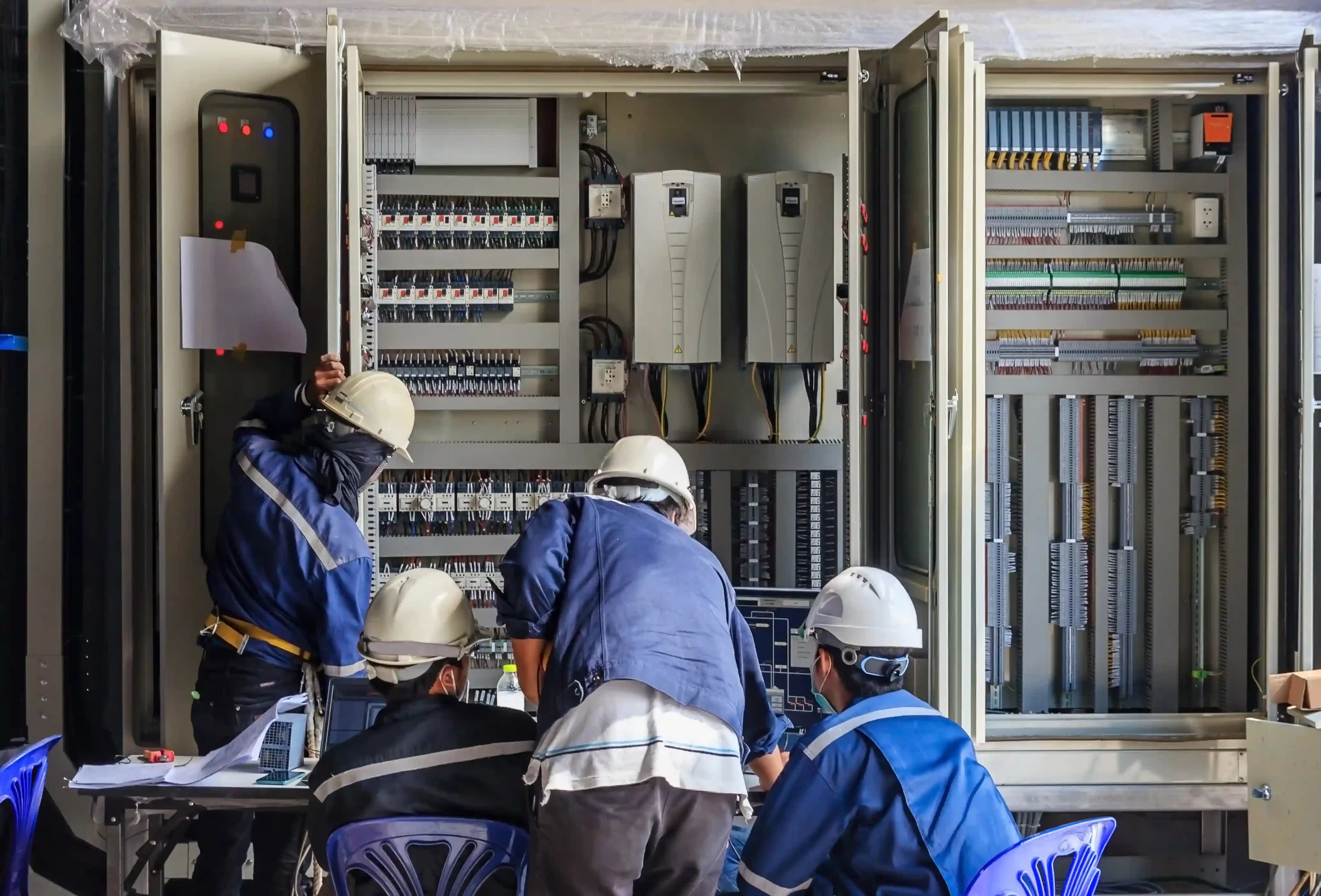
Electrical Systems in MEP: Everything Building Owners Should Know [2026 Guide]
In Qatar’s fast-growing construction landscape, electrical systems play a critical role in shaping safe, efficient, and regulation-compliant buildings. From commercial towers in Doha to industrial and mixed-use developments across the country, electrical systems within MEP engineering directly impact energy consumption, operational reliability, and long-term asset value.
For building owners, developers, project managers, and facility operators in Qatar, understanding electrical systems in MEP is essential to meet local authority requirements, reduce lifecycle costs, and ensure future-ready infrastructure.
This guide explains everything building owners in Qatar should know about electrical systems in MEP, with a strong focus on local conditions, approvals, energy efficiency, and execution best practices.
Electrical Systems in MEP Engineering for Projects in Qatar
In MEP engineering, electrical systems cover the complete lifecycle of power, from utility intake to final usage points, while integrating seamlessly with mechanical and plumbing systems.
In Qatar, electrical MEP design must account for:
- High cooling loads due to climate
- Continuous power demand in commercial and mixed-use buildings
- Authority approvals and safety regulations
- Energy efficiency expectations aligned with sustainability goals
Electrical systems are no longer isolated installations; they are a core operational backbone of modern buildings in Qatar.
Core Components of Electrical Systems in MEP
a) Power Supply & Distribution
This includes:
- Utility connection and metering
- Transformers and main LV panels
- Sub-distribution boards
- Busbar trunking for high-rise and large facilities
A properly designed distribution system ensures voltage stability, safety, and scalability for future expansions.
b) Lighting Systems
Modern MEP lighting design goes far beyond fixtures:
- Illumination level calculations
- Task-based lighting design
- Emergency and exit lighting
- Smart lighting controls and sensors
Lighting design directly influences energy consumption and occupant well-being.
c) Earthing & Grounding Systems
Proper earthing protects:
- Human life
- Sensitive equipment
- The building itself during fault conditions
This system is mandatory for safety compliance and insurance approvals.
d) Backup Power Systems
Includes:
- Diesel generators
- UPS systems
- Automatic transfer switches (ATS)
Critical facilities such as hospitals, data centers, and commercial towers depend on seamless backup power integration.
3. Electrical Load Calculation: What Owners Must Understand
One major gap in most competitor blogs is electrical load planning, which is crucial for owners.
In Qatar, load calculations must consider:
- High HVAC demand
- Equipment diversity
- Peak operational hours
- Future capacity allowances
Incorrect load planning can result in:
- Oversized transformers
- Unnecessary capital costs
- Operational inefficiencies
Building owners should ensure their consultants provide transparent load schedules backed by calculations, not assumptions.
4. Electrical Codes, Standards & Compliance
Electrical systems must comply with:
- International standards (IEC / NEC)
- Local authority regulations
- Fire and safety approvals
- Utility provider requirements
For owners, this means:
- Reduced approval delays
- Lower legal risk
- Easier facility audits
Working with an experienced consultant or a top MEP company in Qatar ensures compliance is embedded from the design stage, not fixed during construction.
5. Coordination with Mechanical & Plumbing Systems
Electrical systems power every other MEP discipline:
- HVAC motors, chillers, AHUs
- Pumps and water treatment system
- Fire alarm and suppression systems
Poor coordination leads to:
- Site clashes
- Redesign costs
- Construction delays
This is where BIM-based MEP coordination and precise shop drawings play a critical role, especially when supported by professional CAD drafting services in Qatar for accurate documentation and execution.
6. Energy Efficiency & Sustainable Electrical Design
Energy efficiency is now a core owner priority.
Modern electrical MEP strategies include:
- LED and low-load lighting layouts
- Power factor correction
- Smart metering and sub-metering
- Solar PV and EV charging integration
- Building Management Systems (BMS)
These strategies reduce:
- Operating costs
- Carbon footprint
- Long-term maintenance expenses
7. Commissioning, Testing & Maintenance: Owner Responsibilities
After installation, electrical systems must undergo:
- Testing & commissioning
- Load balancing
- Safety verification
- Documentation handover
Owners should insist on:
- As-built drawings
- Maintenance manuals
- Panel schedules and test reports
This ensures smooth facility operations throughout the building lifecycle.
8. Future Trends in Electrical MEP Systems
Electrical MEP is evolving rapidly. Key trends include:
- Smart buildings and IoT integration
- Digital twins and BIM-based facility management
- Grid-interactive buildings
- Cyber-secure automation systems
Buildings designed today must be adaptable for tomorrow, making future-ready electrical planning a strategic investment.
9. Why Electrical Systems in MEP Matter to Building Owners
For owners, electrical systems directly affect:
- Capital expenditure
- Operational efficiency
- Tenant satisfaction
- Asset valuation
Choosing the right MEP partner and ensuring detailed electrical planning from day one can prevent costly redesigns and operational inefficiencies later.
Conclusion
Electrical systems in MEP are not just technical installations; they are strategic infrastructure that determines how efficiently, safely, and sustainably a building operates.
By understanding system components, load planning, compliance, coordination, and future trends, building owners can make smarter decisions and protect long-term investments.
Whether you’re developing a commercial tower, healthcare facility, or industrial project, partnering with a top MEP company in Qatar can significantly improve project outcomes from design to execution.



Add a comment